
Groceries
How to Read a Nutrition Label Without the Headache
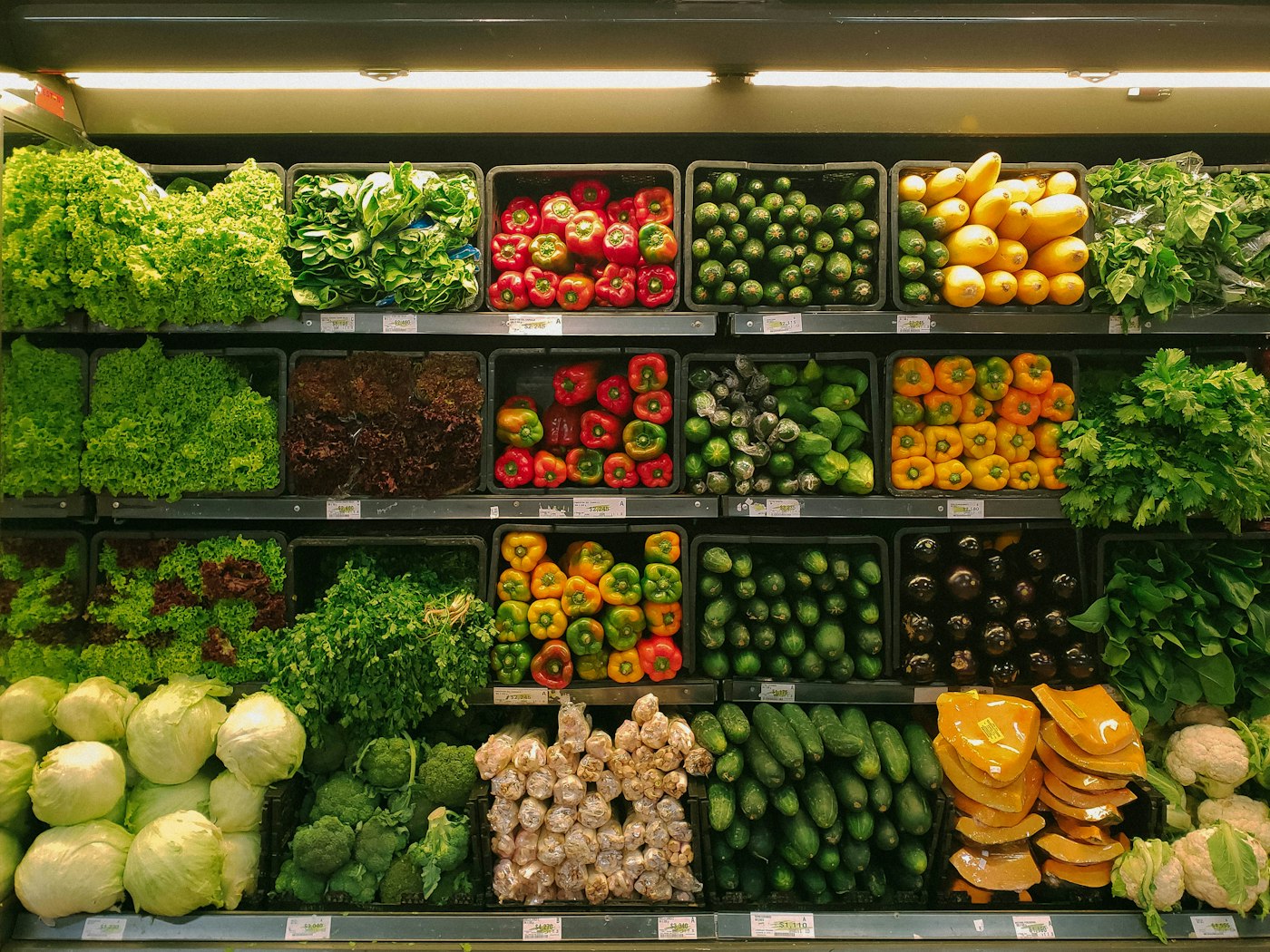
Serving size, the ingredient list, added sugars, and sodium tell you more than the banner on the front of the box.
The front of a package is advertising. The back is closer to the truth. You do not need to analyze every number on every can. A short routine, used on the foods you buy often, is enough to shop with more confidence and less noise.
Start with the serving size, because every other number hangs from it. If the serving is ten chips and you usually eat the bag, the sodium and energy figures need to be multiplied in your head. This is not a character flaw. It is how the label is built. Choose packages whose serving is close to the amount you actually eat, or decide the amount before you open them.
Next, glance at the ingredient list. Ingredients appear in descending order by weight. A bread whose first ingredient is whole grain is a different loaf from one that leads with refined flour and adds a little bran for color. You still might buy the second loaf because your family eats it. The point is to see the choice clearly.
Added sugars are worth finding because they are the sugars put in during processing, separate from the sugars that arrive inside fruit or milk. A yogurt with fruit you stir in yourself is a different product from a cup whose second ingredient is sugar. Again, this is information, not a ban. A cookie can be a cookie. Breakfast does not have to be one.
Sodium adds up across the day, especially in breads, soups, sauces, cured meats, and mixed dishes. If heart health or blood pressure is part of your care, your clinician may have already given you a daily figure to aim near. Compare two tomato sauces on the shelf and take the one that tastes good with less salt, then brighten it at home with herbs. Rinsing canned beans helps here too.
Protein and fiber are the numbers that help you predict fullness. A snack bar with a long ingredient list and very little of either is a candy with a gym font. Nuts, yogurt, cheese, fruit, or leftovers are often simpler. You do not have to fear every packaged food. Frozen vegetables, canned fish, milk, and oats wear labels and still belong in a thoughtful kitchen.
Ignore the urge to chase a single percent. A food is not virtuous because one vitamin looks high, and it is not ruined because another number is imperfect. Look at the pattern of your week. If most meals are built from vegetables, proteins, and grains you recognize, the occasional labeled treat has somewhere to sit.
Practice on three foods you buy every time: your bread or wrap, your breakfast, and one sauce. Write the serving, the sodium, and the first three ingredients on a note. Next month, compare. Skill grows faster from repetition than from a one-time overhaul of the entire cart.
This article is general nutrition education from Frugal Health Tips. It does not diagnose, treat, or replace advice from your own clinician.