
Digestion
Fiber-Rich Foods That Keep Energy Steadier
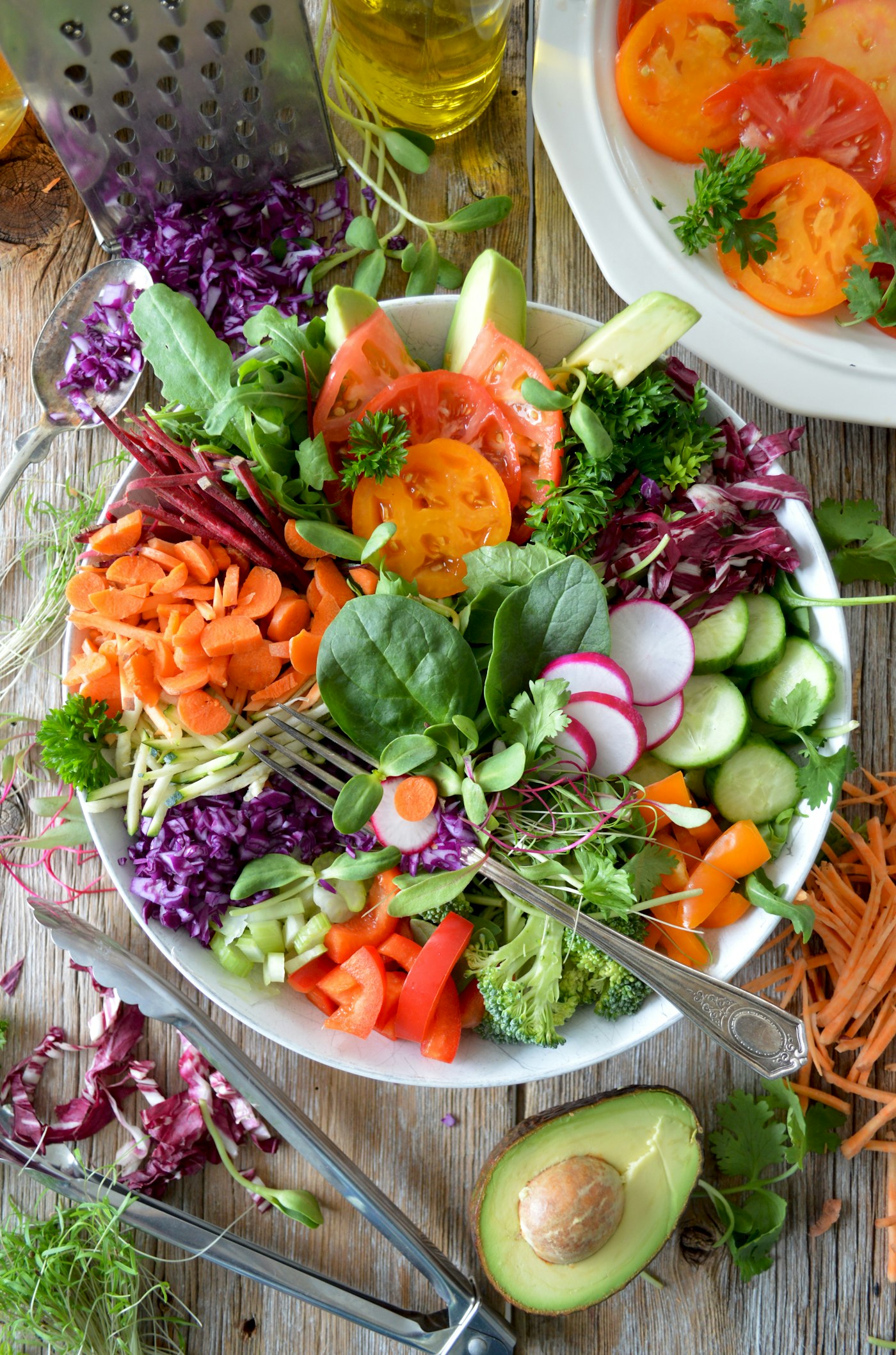
Beans, oats, fruit, and vegetables do quiet work between meals. Add them gradually, and drink water while you do.
Fiber is the part of plant foods that your body does not fully break down. That sounds unglamorous. In daily life it is the reason a bowl of oats can hold you longer than a pastry eaten in the car, and the reason beans make a lunch feel complete. Fiber also feeds the community of microbes in the gut, which is one reason dietitians talk about it so often.
There are two broad styles. Soluble fiber, found in oats, barley, beans, apples, and citrus, mixes with water and forms a softer texture. Insoluble fiber, found in vegetable skins, wheat bran, and many leafy foods, adds bulk. You do not need to sort them at the table. A varied plant intake covers both.
A practical target for many adults discussed in public nutrition guidance is roughly 25 to 38 grams a day, depending on energy needs. You do not have to count forever. You can use a picture instead: fruit or oats at breakfast, beans or lentils most days, vegetables at two meals, and a whole grain you like. If your current intake is low, jumping to a huge salad plus a bran cereal in one morning is a classic way to feel bloated and quit.
Increase in steps. Add one fiber food this week, not five. Drink water across the day so the change has fluid to work with. Walk a little after meals if you can. If gas shows up, that can be a sign of a fast jump rather than a sign that vegetables are wrong for you. Give the new amount a few days before you decide.
Frugal fiber is mostly pantry fiber. Dry lentils, canned chickpeas rinsed well, oats, frozen berries, cabbage, carrots, potatoes with the skin, and popcorn made at home are inexpensive compared with snack bars that advertise fiber on the front. Rinse canned beans. You keep the food and lose some of the salt in the liquid.
Breakfast is the easiest place to practice. Oats cooked in milk or a fortified plant drink, stirred with peanut butter and a banana, is a complete little pattern: fiber, protein, and something sweet that is still food. Leftover rice warmed with an egg and vegetables is another. The goal is a morning that delays the urgent hunt for a snack.
Some people need a different pace. If you live with a digestive condition, a recent surgery, or a diet your clinician has already narrowed, do not use this article as permission to overhaul it. Bring the ideas to your own appointment. A gentle plan might use peeled fruit, well-cooked vegetables, and oats before it uses big raw salads.
Energy between meals is not only about fiber. Sleep, protein, and actually eating lunch matter just as much. Fiber is one steadying tool. Pair it with a meal rhythm you can repeat, and the afternoon often becomes less dramatic without a special product.
This article is general nutrition education from Frugal Health Tips. It does not diagnose, treat, or replace advice from your own clinician.